|
|
A comprehensive index of information about "Michigan the Great Lakes State" Si Quaeris Peninsulam Amoenam Circumspice - If you seek a pleasant peninsula, look about you! |
|
|
A comprehensive index of information about "Michigan the Great Lakes State" Si Quaeris Peninsulam Amoenam Circumspice - If you seek a pleasant peninsula, look about you! |
 |
|
|
|
|
|
|
|
||||||||
|
|||||||||||
|
|
Baldwin, Michigan
49304
|
||||||||||
|
|
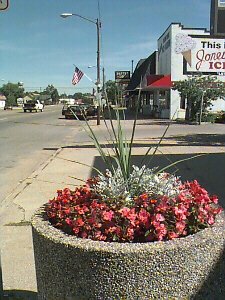
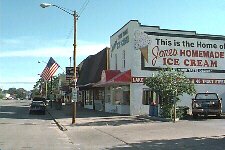
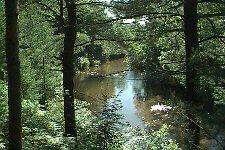
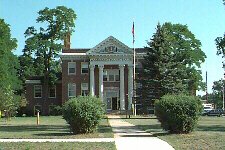
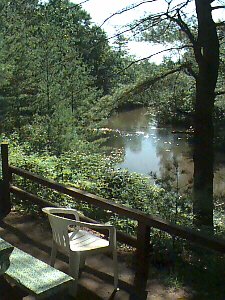
Baldwin, the county seat for Lake County, one of Michigan’s top water recreation areas, is located at the junction of M-37 and US-10. It is situated on the Baldwin River, about three miles north of where it runs into the Pere Marquette River, Michigan’s premiere
canoeing experience. There are over a dozen lakes within only five miles of the city limits, including Big Star Lake in Lake Township, and Leverentz and Government Lakes in Webber
Township. |
|||||||||
|
First developed in the early 1870’s during the Lumber era, it was originally but unofficially named Hanibal, after an early settler to the area. In 1872, the first store was built by Issac Grant, who called a committee to give it an official name; they decided on "Baldwin City," after then Governor of Michigan, Henry P. Baldwin, with "City" dropped later. It was given a station on the Pere Marquette Railroad in 1873 and became the County Seat in 1874. It was incorporated as a village in 1887.
Photos courtesy of: Ken Huisjen
|
|||||||||||
|
If you have comments or suggestions, please take a minute to write to the InfoMI Help Desk.
| |||||||||||